


scanography
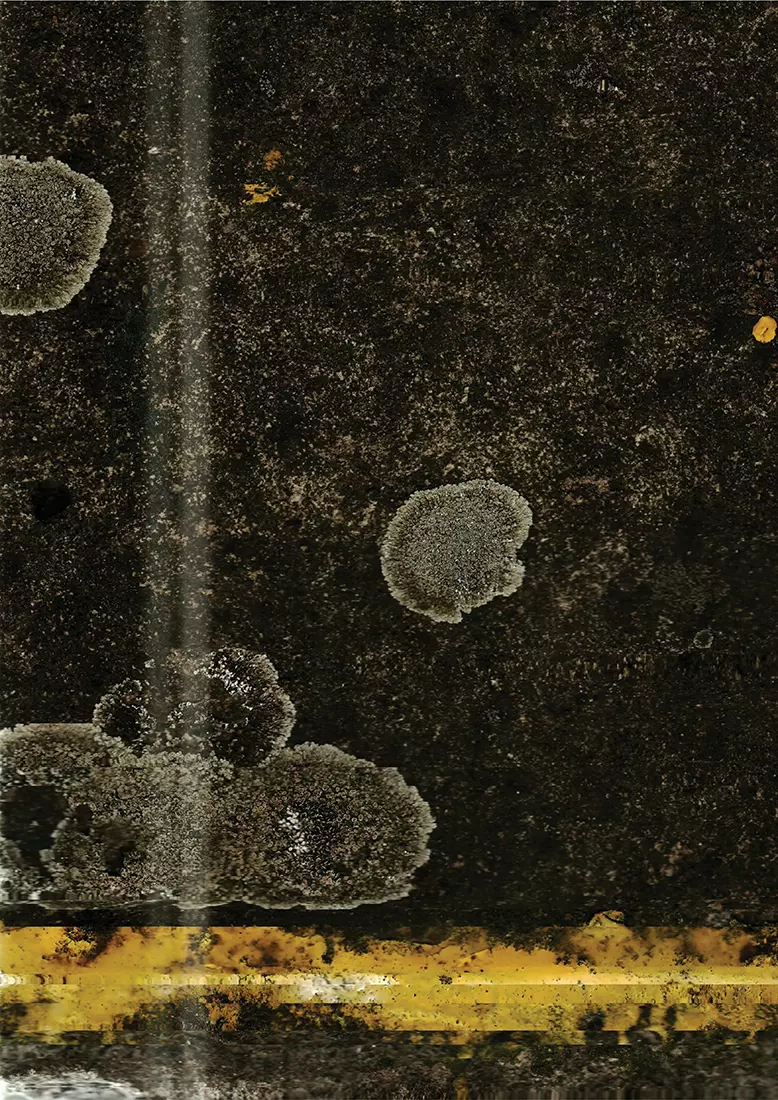
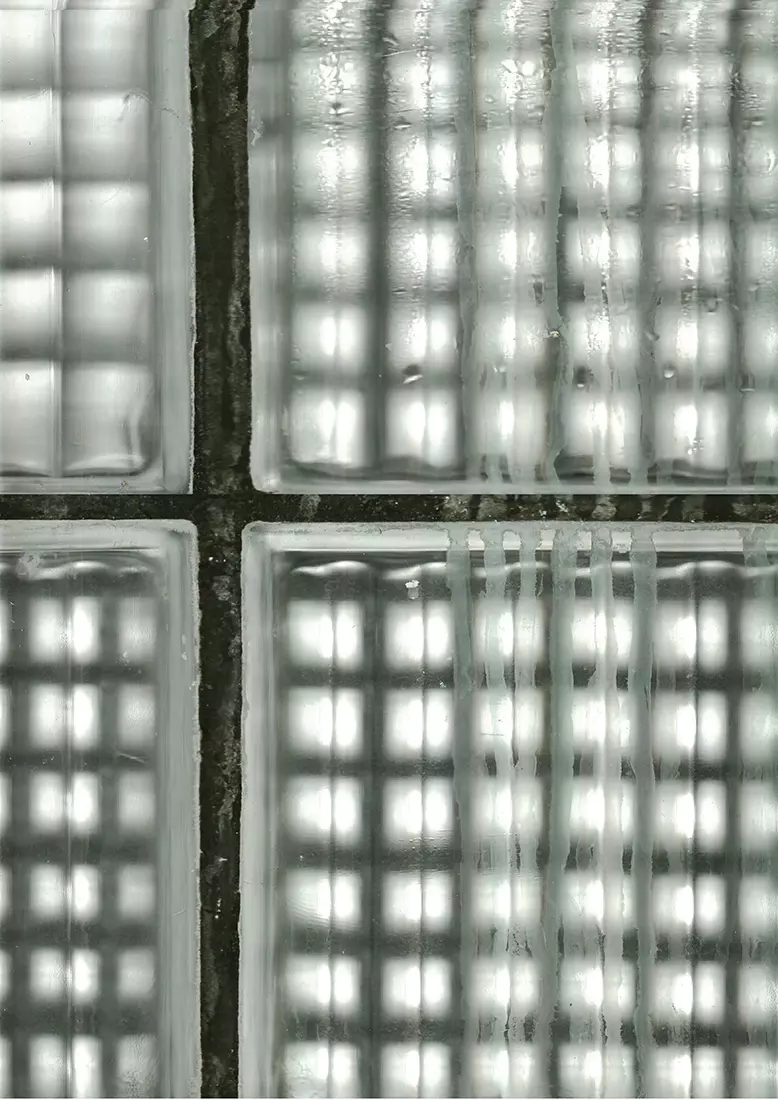
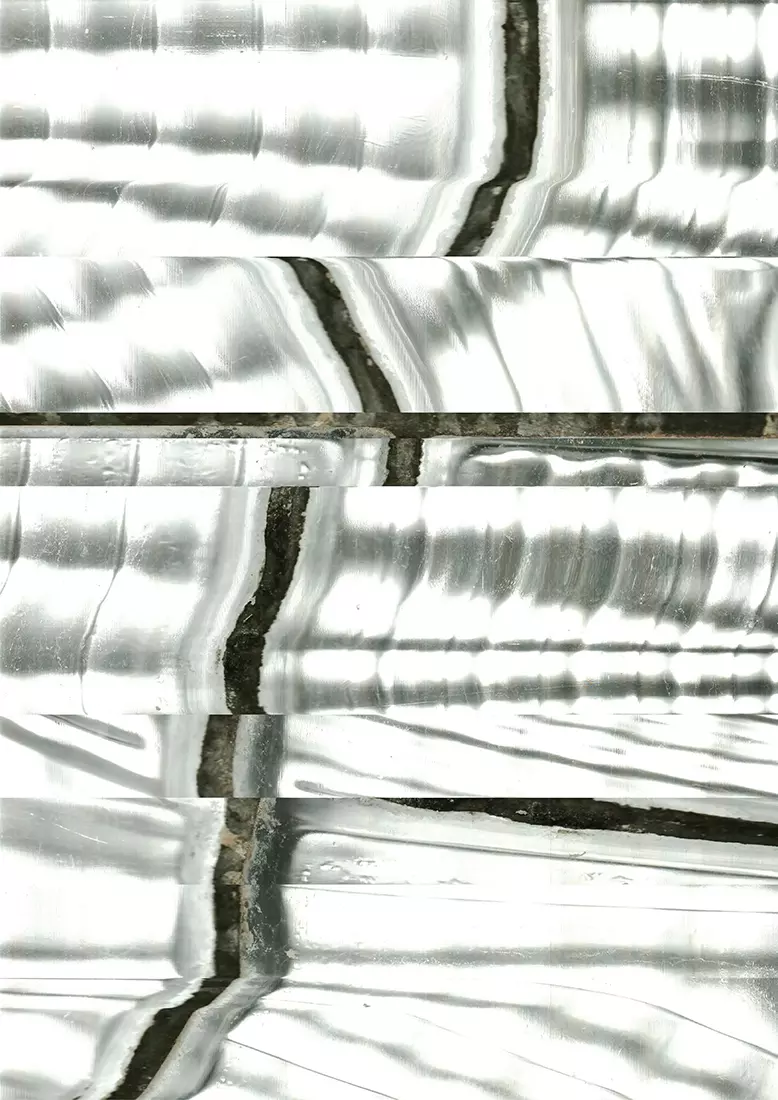
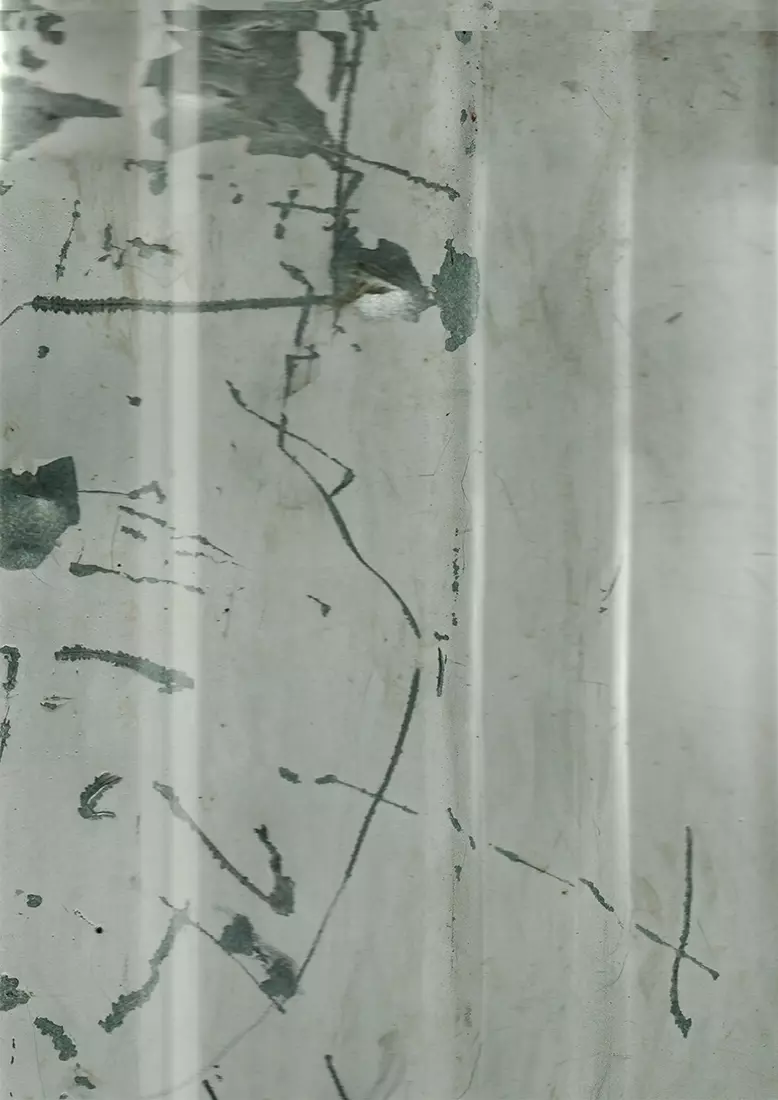
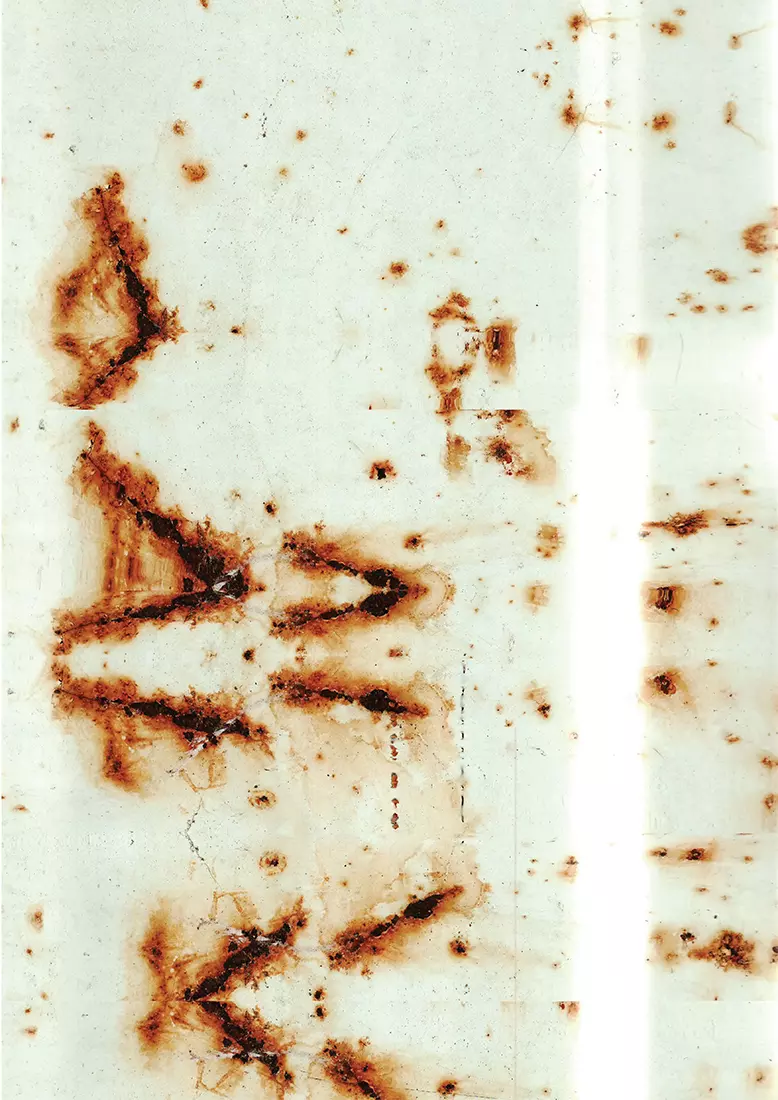
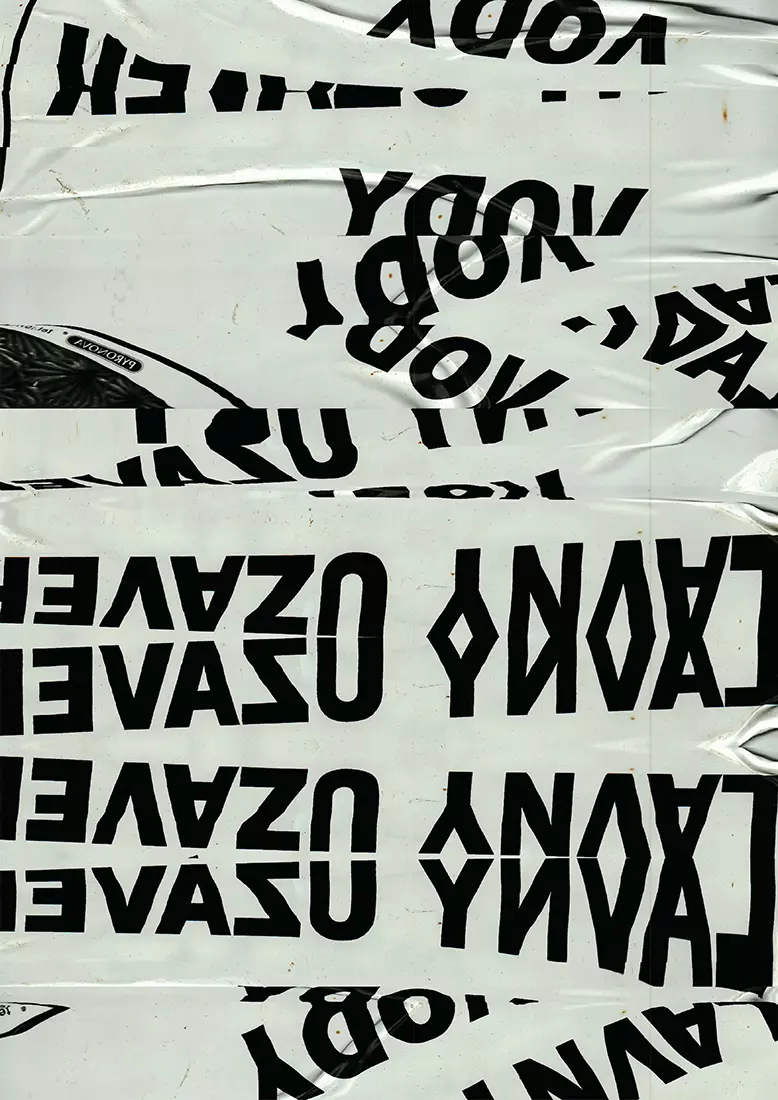
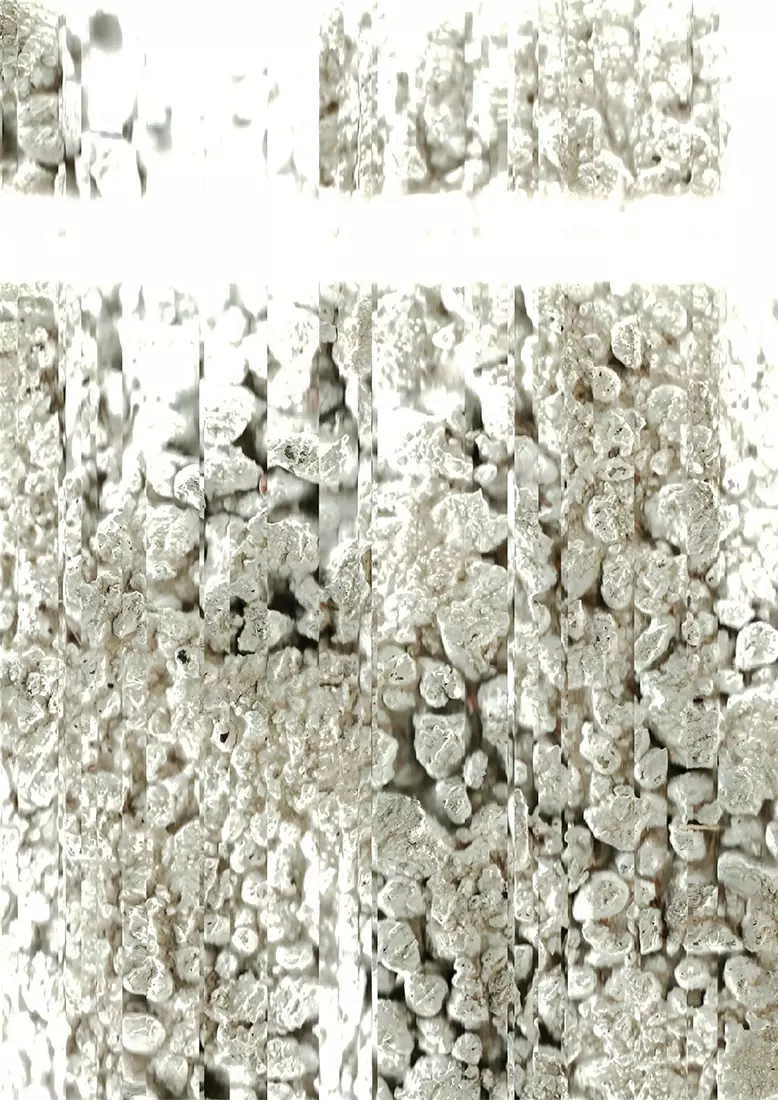
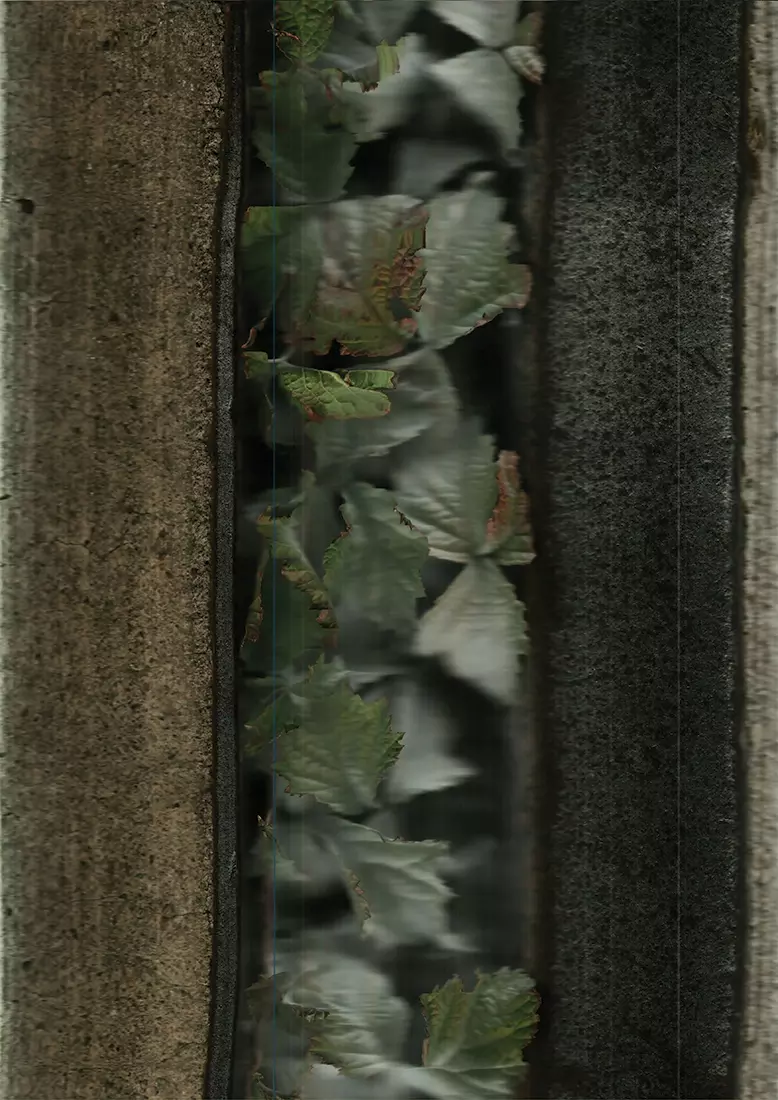
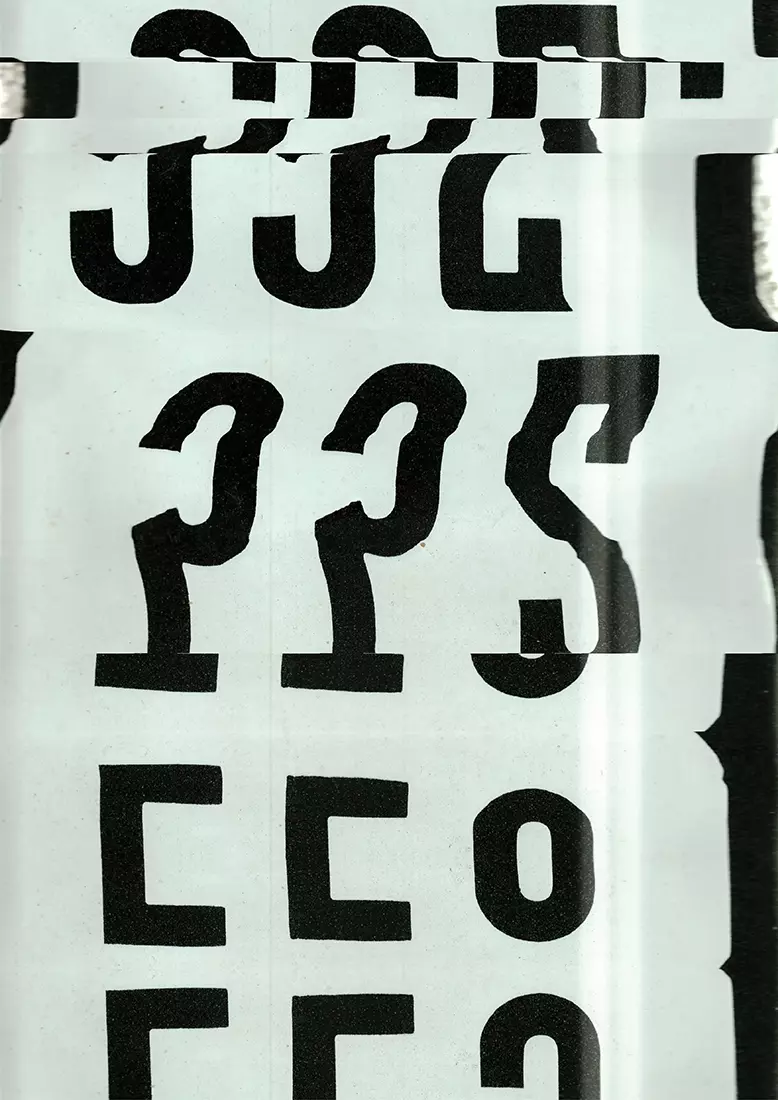
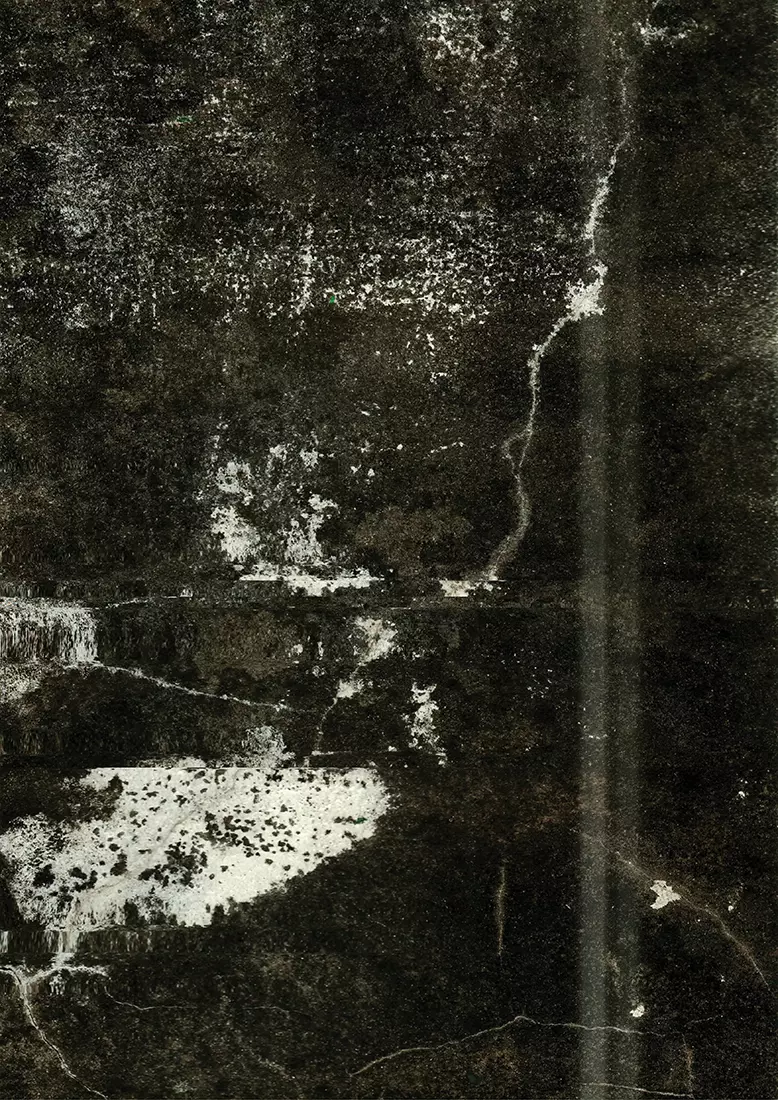
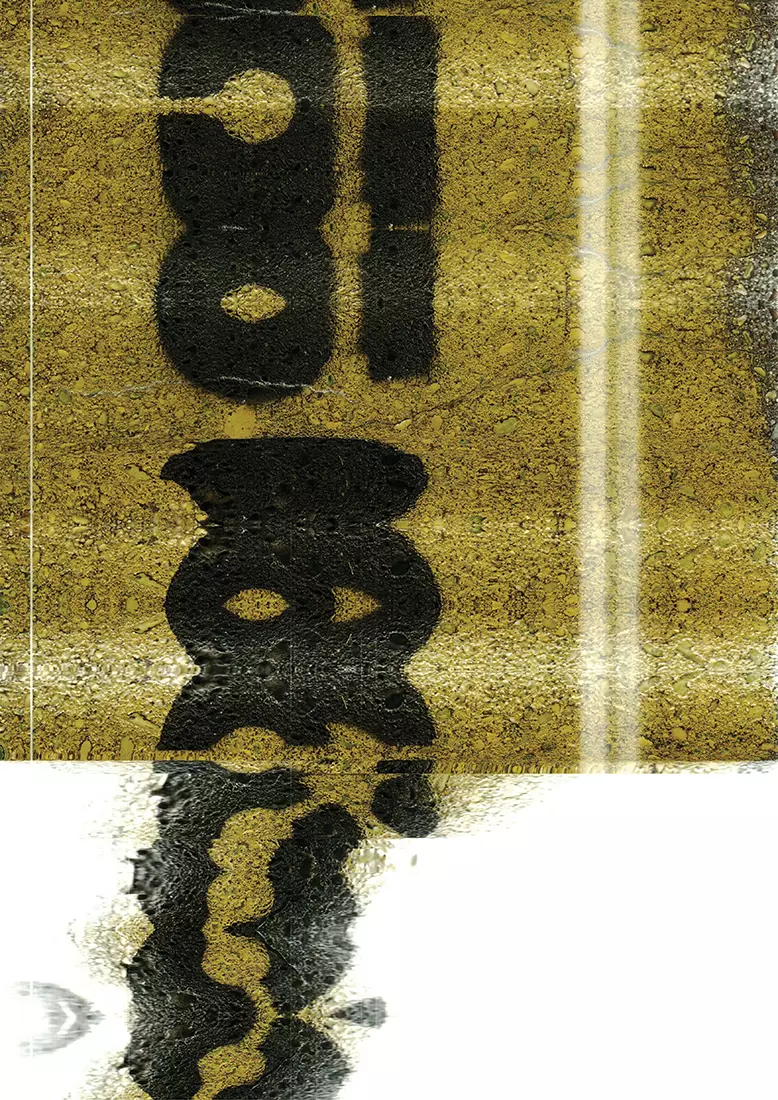
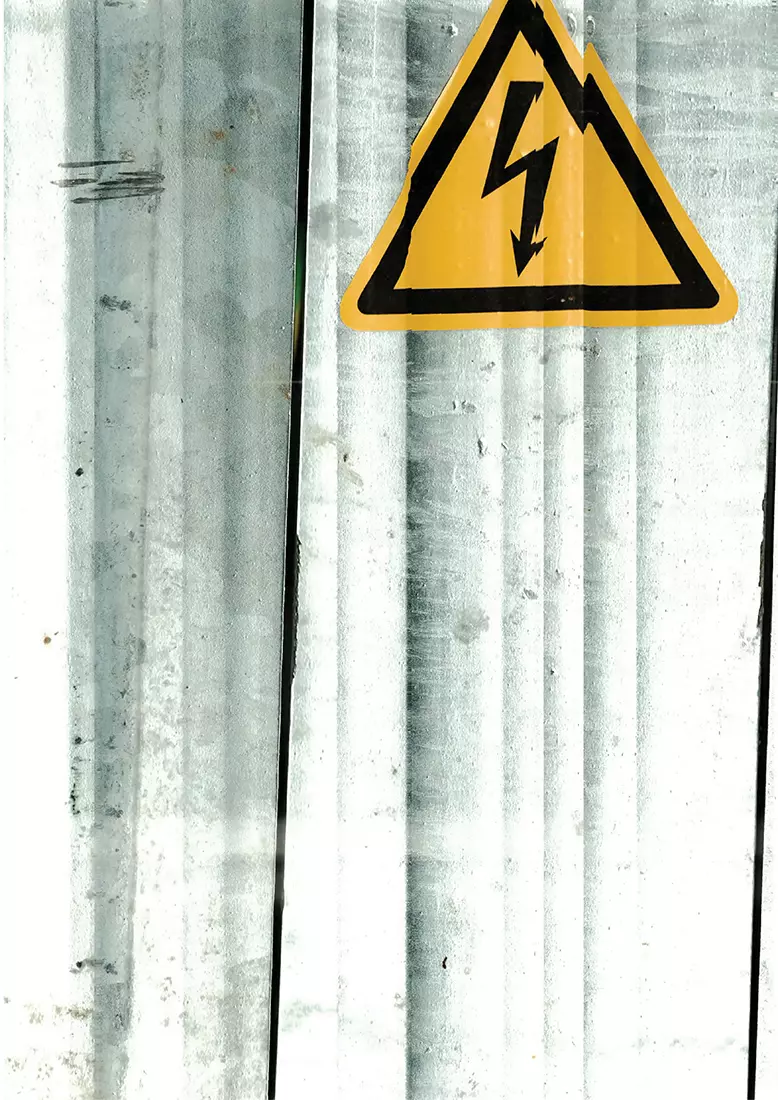
Slávik uses a handheld scanner to explore the hitherto unknown landscape of Helemba and its surroundings: such as scientists studying foreign landscapes or self-propelled scientific instruments like Mars and Moon rovers, the small elements that make up matter – in this case, the environment – will become the subject of her research. Its purpose is to map the current state of existence, with the intention of documentation. The exploratory nature of the creative process resulted in the fact that, while in her previous experiments with scanography the tool was the stable element and the scanned surfaces were adjusted to it, this time the hierarchy of things is reversed and the subject itself becomes primary, thus the scanner becomes a medium: the distortions on visualizations are a result of irregular movement, creating a framework for the interpretation of what is seen.
In the pictures, nature appears as a decaying inclusion that has remained despite human intervention between constructions that are already amortizing: a good example of the latter is the concrete surface which was durable and imperfect already when it was made. Although these artificial structures were themselves built into the place of nature, it is precisely their wear and tear that attracts the artists attention – the various human signs (letters and numbers) are also deconstructed in the pictures, they seem to become the signs of a foreign language or civilization in their alienation, but sometimes the corrosion is formed into sign(like) formations. The limited color palette of the images also reinforces this perception, where the brighter yellow color only appears on warning signs, such as the paint marking the end of the stairs. As a result of the exploration, we can also understand the fact that sampling at a specific location can be interpreted as a general diagnosis, since it can be repeated with similar results in other areas as well.